Common Dishwasher Problems and Solutions
Posted on: 2026-04-21
By: Liam Thompson
Have you ever been left frustrated by a dishwasher that just won’t cooperate? Understanding the common issues that plague these appliances can save you time, money, and a lot of headaches.
What You Will Learn
- How to identify and resolve persistent leaks in your dishwasher to prevent costly water damage.
- Effective strategies for ensuring your dishes come out clean every cycle, avoiding the frustration of dirty dishes.
- Common sounds your dishwasher makes and what they indicate about potential issues needing attention.
- Key signs that signal when it's time to call a technician for professional maintenance or repairs.
- Guidelines for deciding whether to repair or replace your dishwasher based on age, repair costs, and efficiency.
- Preventive maintenance tips to extend your dishwasher's lifespan and keep it running smoothly.
Dishwasher Problem Assessment: Repair vs. Replace
Understanding the common issues your dishwasher faces and evaluating whether to repair or replace it involves considering several factors as detailed below. For a deeper dive into diagnosing common issues, check out this dishwasher repair diagnose and fix guide.
Repair vs. Replace Decision Factors
- • Age of Unit: >8-10 years (Consider replacement)
- • Repair Cost: >50% of new unit cost
- • Efficiency: Newer models offer energy savings
- • Brand Reputation: Bosch, Miele often worth repairing
Key Dishwasher Problems & Symptoms
- • Leaks: Water pooling, damaged seals, clogged hoses.
- • Dirty Dishes: Poor loading, clogged spray arms/filters, detergent issues.
- • Strange Noises: Clanking (loose parts), Grinding (debris), Buzzing (electrical/obstructions).
- • Draining Issues: Standing water, slow drainage, foul odors (clogged filters/hoses).
- • Failure to Start: Power issues, faulty latch, control panel malfunctions.
- • Unpleasant Smells: Trapped food, clogged drains, bacterial growth.
Preventive Maintenance Tips
- • Run Regularly: Prevents seals from drying out.
- • Clean Filter: Monthly to avoid clogs.
- • Use Right Detergent: Specific to your model.
- • Inspect Door Seals: Regularly check for wear.
- • Professional Checkups: Annually for early detection.
Common Dishwasher Error Codes
- • E1: Water Supply Issue
- • E2: Drainage Problem
- • E3: Heating Element Failure
Understanding Common Dishwasher Problems and Their Impacts
As a homeowner, dealing with a malfunctioning dishwasher can be incredibly frustrating. It’s your trusty ally in maintaining a clean kitchen, and when it starts acting up, it can feel like a personal betrayal! In this section, we’ll explore some of the most common issues you may encounter, including identifying persistent leaks, dirty dishes, strange noises, and more. Understanding these problems will help you take the right steps to keep your appliance running smoothly.
Identifying Persistent Leaks and Water Pooling
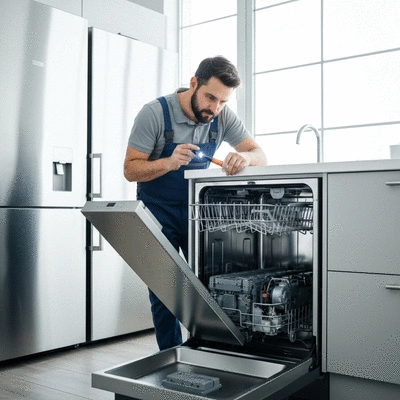
One of the most alarming issues you might face is a persistent leak from your dishwasher. If you notice water pooling at the bottom, it’s time to investigate! Common causes of leaks include damaged door seals, clogged drain hoses, or even a malfunctioning water inlet valve. It's essential to address these issues quickly to prevent further damage to your kitchen. For common issues and troubleshooting tips, review our article on dishwasher troubleshooting: 10 common issues.
Common Causes of Leaks in Dishwashers
- Damaged door seals
- Cracked hoses or pipes
- Improper installation
- Faulty water inlet valve
If you've noticed water pooling, these are the primary suspects. A quick inspection can often reveal the problem before it becomes a costly repair!
When to Consider Professional Inspection for Leaks
Sometimes, the source of a leak isn’t immediately obvious. If you’ve checked the common causes but still can’t pinpoint the issue, it’s wise to seek professional help. A qualified technician can perform a comprehensive inspection to identify underlying problems that may not be visible to the naked eye.
Understanding the Impact of a Leaking Dishwasher on Home Safety
A leaking dishwasher isn't just an inconvenience; it can pose significant safety risks. Water damage can lead to mold growth, structural damage, and even electrical hazards. If you suspect a leak, it’s crucial to address it quickly—your home’s safety is paramount!
Dealing with Dirty Dishes: Causes and Solutions
Finding dirty dishes after a cycle can be incredibly disappointing! You expect your dishwasher to do its job, but sometimes it fails to deliver. This can stem from various issues, from improper loading to malfunctioning components. Let’s explore some common causes and solutions.
Why Dishes Remain Dirty After a Cycle
- Poor loading practices
- Clogged spray arms
- Insufficient detergent use
- Worn-out filters
Taking a moment to review how you load your dishwasher can make a big difference. Ensure that dishes aren’t blocking the spray arms, as this can prevent proper cleaning.
Signs It's Time to Call a Technician for Maintenance
If you’ve tried troubleshooting and your dishes are still coming out dirty, consider reaching out to a technician. Signs that it's time for professional maintenance include persistent residue on dishes, unusual noises during cycles, and error codes on the control panel.
Detergent Dispenser Issues: How They Affect Cleaning Cycles
The detergent dispenser plays a crucial role in your dishwasher's cleaning effectiveness. If it’s malfunctioning, your dishes may not get the necessary cleaning agents. Regularly check that it’s opening correctly and isn’t clogged with residue!
Strange Noises: What They Mean for Your Dishwasher
Strange noises coming from your dishwasher can make you question its health! Whether it’s clanking, grinding, or buzzing, each sound may indicate a specific issue. Let’s break down some common noises and what they could mean.
Common Noises and Their Potential Issues
- Clanking: Loose parts or utensils
- Grinding: Debris in the motor or pump
- Buzzing: Electrical issues or obstructions
Identifying these noises early on can save you from more extensive repairs down the line!
Assessing the Need for Professional Help with Noisy Dishwashers
If strange noises persist, it may be time to consult a professional. They can diagnose the source of the noise and recommend appropriate solutions. Ignoring these sounds can lead to more severe issues, so don't hesitate to act!
Noise Reduction Techniques for Quieter Operation
While it’s normal for dishwashers to make some noise, there are ways to minimize it. Ensuring proper loading, maintaining the dishwasher regularly, and using rubber mats underneath can help dampen sound.
Draining Issues: Troubleshooting Your Dishwasher
Another common issue is a dishwasher that doesn’t drain properly. If you find water lingering in the bottom of your machine, it's important to address it promptly to avoid damage or unpleasant odors.
Understanding Drainage Problems and Their Symptoms
- Standing water at the bottom
- Slow or no drainage during a cycle
- Unpleasant smells from stagnant water
These symptoms can indicate clogged filters or hoses, which should be checked immediately to keep your dishwasher functional! If your dishwasher won't drain, explore our guide for potential solutions: Dishwasher Won't Drain: Try These.
When DIY Solutions Aren't Enough: Contacting a Technician
If you’ve tried the usual DIY fixes and the drainage issues persist, it’s time to call in a professional. They have the tools and expertise to resolve deeper drainage problems that might not be accessible to you.
Common Causes of Clogged Filters and Their Solutions
- Food debris accumulation
- Grease buildup
- Improperly installed filters
Regularly cleaning out the filter can help prevent these clogs and ensure your dishwasher continues to run efficiently!
Failure to Start: Diagnosing Startup Problems
Is your dishwasher refusing to start? This can be incredibly frustrating, especially when you’re looking forward to a clean kitchen. Several factors can contribute to startup failures, so let’s explore what to look for.
Common Reasons Your Dishwasher Won't Start
- Power supply issues
- Faulty door latch
- Control panel malfunctions
Checking each of these elements can help you determine the cause of the problem before calling for repairs!
Deciding Whether to Repair or Replace
Sometimes, the cost of repairs can lead you to wonder if it might be better to invest in a new dishwasher. If your unit is older and frequent repairs are needed, replacement may be the more economical choice in the long run.
Electrical Problems and Their Role in Startup Failures
If the issue seems electrical in nature, it’s essential to have a professional handle it. Electrical problems can pose significant safety risks, and it’s always best to err on the side of caution.
Unpleasant Smells: Identifying the Source
Unpleasant smells emanating from your dishwasher can be a significant concern. Not only are they unappetizing, but they can also indicate underlying issues that need addressing. Let’s look at some common causes of these odors.
Common Causes of Unpleasant Odors in Dishwashers
- Food debris trapped in filters
- Clogged drain hoses
- Bacterial growth from stagnant water
Regular cleaning and maintenance can help minimize odors and keep your dishwasher fresh!
When the Smell Indicates a Need for Professional Repair
If strong odors persist even after cleaning, it’s essential to consult a technician. They can identify and resolve more serious issues that may be causing these unpleasant smells.
Addressing Soap Residue and Its Effects on Dishwasher Odor
Soap residue can also contribute to odors. Make sure you’re using the correct detergent and that it’s being dispensed properly to prevent buildup. This simple step can make a big difference in keeping your dishwasher smelling fresh!
Error Codes: What They Mean and How to Respond
Modern dishwashers often display error codes when something goes wrong. Understanding these codes is crucial in diagnosing the issue and deciding whether to attempt a fix or call for help.
How to Interpret Common Dishwasher Error Codes
- Code E1: Water supply issue
- Code E2: Drainage problem
- Code E3: Heating element failure
Familiarizing yourself with these codes can save time and help you communicate effectively with a technician!
When to Seek Professional Guidance for Error Code Issues
If you encounter an error code that you’re unsure how to resolve, don't hesitate to call a professional. They can provide the expertise necessary to address the problem efficiently.
Understanding Control Panel Malfunctions and Their Solutions
Sometimes, error codes can result from a malfunctioning control panel. If it appears to be stuck or unresponsive, it may need replacement to restore proper function.
By understanding these common issues and their impacts, you can feel more empowered to tackle problems as they arise. Remember, when in doubt, it’s always best to connect with a local technician through Dishwasher Repair Guide for reliable assistance!
Pro Tip
Did you know? Regularly cleaning the filter in your dishwasher not only improves its efficiency but also prolongs its lifespan. Make it a habit to check and clean the filter monthly to prevent clogs and ensure your dishes come out sparkling clean!
Making Informed Decisions: Repair or Replace?
When it comes to your dishwasher, making the right decision about whether to repair or replace can feel overwhelming. I’ve been in the appliance repair business long enough to know that this decision often hinges on a few critical factors. Let's delve into what you should consider to make an informed choice about your appliance.
Evaluating Repair Costs vs. Replacement Costs
Understanding the financial implications of repair versus replacement is essential. Here are some key factors to help guide your decision:
- Age of the Dishwasher: If your dishwasher is older than 8-10 years, it may be more cost-effective to replace it.
- Repair Costs: If repairs are estimated to be more than 50% of the cost of a new unit, replacement might be the better option.
- Efficiency Improvements: Newer models are often more energy-efficient, which can lead to savings on your utility bills.
- Brand Reputation: Certain brands, like Bosch and Miele, might warrant repair due to their reliability and longevity.
By evaluating these factors, you can better determine if a repair is worth it or if it’s time to invest in a new dishwasher.
Factors to Consider Before Choosing to Repair
Before deciding on repairs, consider the following:
- Previous repair history: Have you made frequent repairs in the past?
- Parts availability: Are replacement parts readily available and affordable?
- Your needs: Is your dishwasher meeting your current household demands?
Answering these questions can clarify whether you should invest in repairs or move towards a new appliance altogether.
Understanding Warranty and Service Options
Before committing to repairs, check if your dishwasher is still under warranty. Most major brands offer warranties that cover parts and labor. Here’s what to keep in mind:
- Verify warranty details: Look at your documentation or contact the manufacturer.
- Service options: Some warranties require repairs to be done by authorized technicians.
- Extended warranties: Consider if purchasing an extended warranty makes sense for you.
Being aware of these options can not only save you money but also provide peace of mind during the repair process.
Assessing the Cost of Repair vs. Investing in a New Appliance
Ultimately, weighing the cost of repair against investing in a new appliance is crucial. Here are some steps to help you through this assessment:
- Get multiple quotes for the repair to ensure you’re getting a fair deal.
- Research the cost of comparable new dishwashers that meet your needs.
- Factor in potential energy savings and improvements in performance with a new appliance.
In the long run, it often pays off to invest in a reliable new dishwasher rather than sink money into repairs for an aging model.
Preventive Maintenance Tips for Longevity
Keeping your dishwasher in tip-top shape can prevent many of the common issues we encounter. Here are some simple steps I recommend:
- Run it regularly: Frequent use can prevent seals from drying out and help maintain optimal functionality.
- Clean the filter: Check and clean the dishwasher filter monthly to avoid clogs.
- Use the right detergent: Always choose a detergent that is suitable for your specific dishwasher model.
- Inspect the door seals: Regularly check for cracks or wear on the rubber seals.
By incorporating these practices, you can extend the lifespan of your dishwasher, ensuring it continues to function smoothly!
Scheduling Regular Professional Checkups for Optimal Performance
Just like any other appliance, a regular checkup can help identify potential issues before they become major problems. I recommend scheduling a professional inspection at least once a year. Here’s why:
- Early detection of issues: Technicians can identify and fix small problems before they escalate.
- Optimize performance: A well-maintained dishwasher runs more efficiently, saving you money.
- Peace of mind: Knowing your appliance is in good hands helps you relax!
Regular checkups can be a small investment that pays off in reliability and efficiency.
Home Appliance Associations: Resources for Maintenance Tips
Several resources can help you with maintenance tips and advice. Associations like the Appliance Repair Association provide valuable information on upkeep. Here’s how they can assist you:
- Access to expert advice: Many organizations have FAQs and troubleshooting tips on their sites.
- Consumer education: Learn how to properly care for your dishwasher to maximize its lifespan.
- Local resources: Connect with trustworthy technicians through these associations.
Utilizing these resources can empower you in your dishwasher maintenance journey!
Frequently Asked Questions About Dishwasher Problems
Q1: How do I know if my dishwasher leak is serious?
A1: Persistent water pooling, especially outside the appliance or under cabinets, indicates a serious leak. Check for damaged door seals, cracked hoses, or a faulty water inlet valve. If the source isn't obvious, professional inspection is recommended to prevent water damage, mold growth, or electrical hazards.
Q2: Why are my dishes still dirty after a dishwasher cycle?
A2: Dirty dishes can result from poor loading practices, clogged spray arms, insufficient detergent, or worn-out filters. Ensure dishes don't block spray arms, use the correct amount and type of detergent, and regularly clean the filter. If issues persist, it may be time to call a technician.
Q3: What do strange noises from my dishwasher mean?
A3: Various noises indicate different problems: clanking suggests loose parts, grinding usually means debris in the motor or pump, and buzzing could point to electrical issues or obstructions. Address these noises early to prevent more extensive repairs. If they continue, professional help is advisable.
Q4: My dishwasher isn't draining. What should I do?
A4: Standing water or slow drainage often indicates clogged filters or hoses. Check and clean the filter regularly to prevent food debris and grease buildup. If DIY solutions don't work, a professional technician can resolve deeper drainage problems.
Q5: When should I repair my dishwasher versus replacing it?
A5: Consider replacing your dishwasher if it's over 8-10 years old, repair costs exceed 50% of a new unit's price, or if you frequently need repairs. Newer models also offer better energy efficiency. For reliable brands like Bosch or Miele, repairs might be more worthwhile if the unit is younger and repair costs are reasonable.
Q6: How can I prevent common dishwasher issues?
A6: Regular preventive maintenance is key. Run your dishwasher frequently to prevent seals from drying, clean the filter monthly, use the correct detergent for your model, and inspect door seals for wear. Scheduling annual professional checkups can also help detect and fix minor issues before they become major problems.
Recap of Key Points
- Identify persistent leaks by checking door seals, hoses, and the water inlet valve.
- Ensure proper loading and use the right amount of detergent to avoid dirty dishes.
- Address strange noises promptly to prevent further damage to your dishwasher.
- Regularly clean the filter to avoid drainage issues and unpleasant odors.
- Evaluate repair costs versus replacement when your dishwasher fails to start or has recurring issues.
- Schedule regular professional inspections to maintain optimal performance and longevity.
 A focused plan for garage door lockout helps homeowners facing a blocked garage entry respond calmly
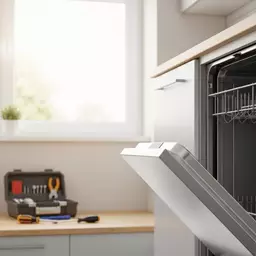 While your dishwasher may seem like a trusty ally in the kitchen, its occasional hiccups can be a so
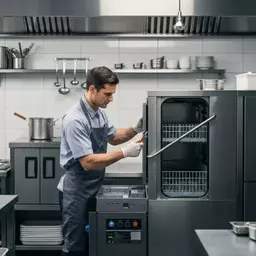 In the fast-paced culinary world, your dishwasher is more than just a convenience; it is a cornersto