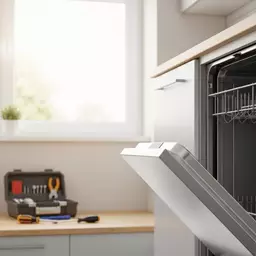
Common Signs of a Drain Issue
- • Water pooling
- • Puddles on floor
- • Unpleasant odors
- • Debris in drain
Get expert DIY diagnostic tips and local Australian technician recommendations delivered to your inbox.
Trusted by homeowners in Sydney, Melbourne, and Brisbane.
Posted on: 2026-02-22
By: Liam Thompson
When your dishwasher starts to misbehave, it can feel like chaos in your kitchen. Understanding the common signs and mechanisms behind drainage issues is essential for effective troubleshooting. This knowledge empowers you to tackle problems head-on and keep your appliance in top shape!
Understanding the common signs and essential maintenance steps can help you keep your dishwasher draining properly. For a comprehensive guide on diagnosing and fixing common dishwasher problems, check out our dishwasher repair guide.
Dishwashers use gravity & mechanical parts. Water pumped out via drain hose. Key components:
The drain valve and float switch are vital for water level monitoring and release.
If troubleshooting fails, reach out to Dishwasher Repair Guide for support and resources.
Get Expert HelpWhen you notice that water isn't draining from your dishwasher, it can be frustrating. Often, this issue can disrupt your daily routine and lead to bigger problems if left unaddressed. Understanding the common signs of a dishwasher drain issue is the first step in diagnosing and potentially resolving the problem on your own!
There are several indications that might signal a drainage problem with your dishwasher. Here are a few to watch for:
If you're noticing any of these signs, it’s crucial to investigate further. Ignoring these issues could lead to more significant complications down the line!
To effectively troubleshoot your dishwasher, it helps to know how the drainage system works. Most dishwashers utilize a combination of gravity and mechanical parts to remove water after each wash cycle. The water is pumped out through a drain hose connected to your home's plumbing system. If any part of this system fails, the water can quickly become trapped! For more detailed insights into common dishwasher issues, refer to our article on dishwasher troubleshooting.
Understanding the components involved—like the drain pump and filter—can provide valuable insights into the root cause of the drainage issue. Let’s explore these parts further!
The drain valve and float switch are critical components in your dishwasher’s drainage system. The float switch monitors the water level inside the dishwasher, and if it detects that the water is too high, it signals the drain valve to open, allowing water to escape.
By understanding these mechanisms, you can better identify potential issues and troubleshoot effectively. If you suspect a problem with these parts, further investigation may be necessary!
Now that we’ve identified some signs and mechanisms involved in dishwasher drainage, let's move on to the practical steps you can take to troubleshoot this issue yourself.
Did you know that regularly cleaning your dishwasher's filter can significantly improve its drainage efficiency? A clogged filter can cause water to back up, leading to poor performance and potential damage. Make it a habit to check and clean the filter every month to keep your appliance running smoothly!
To keep your dishwasher running smoothly and ensure that it drains properly, regular maintenance is key. At Dishwasher Repair Guide, we believe that proactive care can save you time and money down the line! Here are some effective strategies to maintain your appliance and prevent drainage issues.
Establishing a maintenance schedule is crucial for your dishwasher's longevity. Aim to check your appliance monthly and perform deep cleanings every three months. Here are a few routine tasks to include:
By staying on top of these tasks, you'll ensure that your dishwasher functions efficiently. Remember, a little attention goes a long way in preventing bigger issues!
To avoid future drainage problems, consider these best practices:
Implementing these simple yet effective practices can keep your dishwasher in top shape! As an appliance repair expert, I've seen how these tips can drastically reduce the likelihood of drainage issues.
Using the right cleaning solutions and rinse aids can enhance your dishwasher's efficiency. A high-quality rinse aid helps rinse away residue, preventing buildup in the drain. Here are some options to consider:
Make these products part of your dishwasher maintenance routine, and you’ll be rewarded with a machine that works effectively and avoids common problems!
Here are some common questions about dishwasher drainage issues:
If you ever find yourself in a situation where troubleshooting doesn’t solve the problem, don’t hesitate to reach out. At Dishwasher Repair Guide, we’re here to help! For specific issues with Bosch dishwashers, you might find our Bosch dishwasher repair DIY guide particularly useful.
Here is a quick recap of the important points discussed in the article:
A focused plan for garage door lockout helps homeo