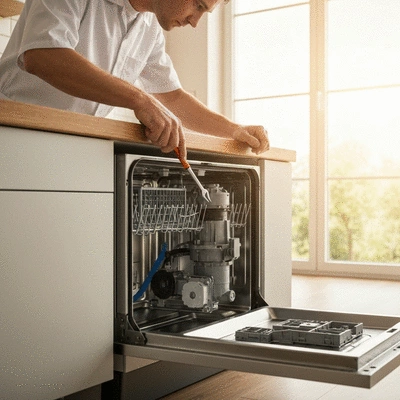
Persistent Leaks & Pooling Water
Signs: Water pooling around the appliance.
Causes: Clogged hoses, worn door seals, plumbing issues.
Risk: Water damage, mold, costly repairs.
Get expert DIY diagnostic tips and local Australian technician recommendations delivered to your inbox.
Trusted by homeowners in Sydney, Melbourne, and Brisbane.
Posted on: 2026-04-19
By: Liam Thompson
Have you ever found yourself struggling with a dishwasher that just won't cooperate? Understanding when to call in the professionals can make all the difference between a minor fix and a major financial headache. Here’s a breakdown of key insights to help you navigate your dishwasher repair journey.
Understanding when to seek professional help for your dishwasher can save you time, money, and stress. Here's a quick guide to common issues and their implications. For a more comprehensive look at common problems, check out our guide on 10 common dishwasher issues.
Signs: Water pooling around the appliance.
Causes: Clogged hoses, worn door seals, plumbing issues.
Risk: Water damage, mold, costly repairs.
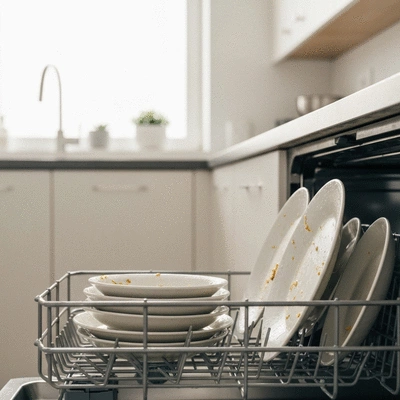
Signs: Food residue on dishes.
Causes: Blocked spray arms, faulty dispenser, control panel issues.
Risk: Unhygienic dishes, appliance inefficiency.
Signs: Loud, abnormal sounds.
Causes: Motor issues, loose parts, electrical problems.
Risk: Extensive damage, appliance breakdown.
Signs: Water pooling at bottom, slow draining.
Causes: Blocked filters/hoses, pump issues.
Risk: Odors, bacteria, appliance damage.
Signs: Digital codes (E1, E2, E3).
Causes: Water supply, drainage, heating element failure.
Risk: System shutdown, further component damage.
Signs: Foul smells, high utility bills.
Causes: Trapped food, mold, inefficiency.
Risk: Health hazards, increased running costs.
As someone who has spent over a decade in the appliance repair industry, I can’t stress enough how crucial it is to understand when to call a professional for your dishwasher repairs. Many people wait until a problem escalates, thinking they can handle it on their own. But recognizing the right moment to seek help can save you not just money, but also the hassle and stress of a malfunctioning appliance.
When you notice odd behavior from your dishwasher, it’s vital to act swiftly. Knowing when to call a professional matters because it can prevent further damage and save you from costly repairs down the line. At Dishwasher Repair Guide, we empower homeowners across Australia to take control of their dishwasher issues, ensuring they receive the best advice and service.
Everyday users often overlook the importance of professional intervention until it's too late. There are many signs that indicate a need for help, including:
Each of these issues can signify serious underlying problems. Ignoring them could lead to larger, more expensive repairs later on. By staying informed, you can act quickly and avoid unnecessary disruption to your household.
I often see homeowners dismissing initial signs of trouble, thinking they can resolve the issue on their own. However, this approach can lead to more significant risks, such as:
Ignoring these warning signs can create a cycle of frustration and expense. It’s always better to seek professional help sooner rather than later. By doing so, you not only ensure your appliance runs smoothly but also maintain a safe and healthy environment in your home.
Understanding the key warning signs of dishwasher malfunctions is essential for any homeowner or business operator. At Dishwasher Repair Guide, we often help our clients pinpoint these issues early, leading to timely repairs and happier kitchens!
One of the most obvious signs that something is wrong with your dishwasher is persistent leaks. If you notice water pooling around the appliance, it’s time to take action! This issue can stem from several potential causes, including:
Identifying the exact source of the leak is crucial. Regular inspections can help catch these issues before they escalate, preventing costly damages to your home. Don’t hesitate to reach out to local repair technicians if you see water where it shouldn’t be!
Water leaks can arise from various sources, such as faulty gaskets or worn hoses. If you notice that your dishwasher isn’t draining properly, it might indicate a deeper plumbing issue. It’s always recommended to have a professional assess the situation for a thorough investigation.
If you’re dealing with continuous leaks, it’s best not to wait. Consult a technician immediately to prevent further damage. Remember, the longer you delay, the higher the chance of significant water damage, which can lead to expensive repairs—and nobody wants that!
Have you ever opened your dishwasher after a cycle only to find dirty dishes? Understanding why this happens can save you from frustration. Common causes include:
A thorough inspection can often reveal simple fixes, but if those dishes remain dirty after a wash, it could be time to consider professional repair services. Our team at Dishwasher Repair Guide can connect you with skilled technicians who know how to tackle these problems head-on!
If your dishwasher seems to be running but not cleaning effectively, it’s often related to the control panel or sensors. These components require expert attention, and I recommend reaching out to a qualified technician to avoid any further complications.
Professional repair services are essential when you’re facing persistent cleaning issues. Sometimes, a simple part replacement can make all the difference. If your dishwasher struggles to clean effectively, don’t hesitate to contact a trusted technician for a proper diagnosis.
Understanding what your dishwasher is trying to tell you through its noises can be quite revealing! If you’re hearing strange sounds like grinding or rattling, it’s essential to address these issues quickly. Common noise indicators include:
These noises could be signaling mechanical issues that require immediate attention. Ignoring them might lead to more extensive damage, so it’s essential to stay alert! For expert guidance on diagnosing and fixing common dishwasher problems, refer to our dishwasher repair guide.
Each type of noise can help diagnose the problem. For example, grinding often indicates foreign objects in the motor, while rattling can signal loose components. It’s best to check these issues out before they escalate into costly repairs!
If you can identify the source of the noise, that’s half the battle won! However, if the noise persists, it’s time to involve a professional. They can provide the expertise necessary to resolve these mechanical issues and bring your dishwasher back to life.
Drainage problems are another significant sign that your dishwasher could be in trouble. If you notice water not draining properly, it’s crucial to act quickly. Signs of blocked or clogged drainage systems might include:
Understanding these signs is vital for maintaining optimal dishwasher performance. If you see any of these issues, it’s time to take action!
Blocked drainage systems can lead to water stagnation, which can create unpleasant odors and even damage your appliance. Regular cleaning can help prevent blockages, but persistent issues should be referred to a professional.
Don’t hesitate to seek help from professionals when drainage problems arise. A technician can quickly diagnose the issue and provide an effective solution. The cost of repairs is often far less than the potential damage caused by neglecting these problems!
Modern dishwashers are equipped with error codes that indicate specific issues. Understanding these codes can save you time and trouble. Common dishwasher error codes include:
Being aware of these codes can help you quickly identify the problem and determine whether you need professional assistance.
Each code has its own implications, and understanding them can help you troubleshoot effectively. If you encounter an error code that’s unfamiliar, it’s best to consult a professional technician who can provide clarity and assistance.
When these error codes pop up, it’s wise to act quickly! Some errors may be simple fixes, but others might indicate deeper issues that need professional attention. Always trust your instincts—if you feel overwhelmed, reach out for help!
If your dishwasher starts emitting unpleasant odors, it's likely signaling a problem that needs addressing. Common culprits of these smells include:
Identifying the source of these odors is critical. If you can’t pinpoint the issue, it’s time to call a professional who can conduct a thorough inspection.
Sometimes, odors can be a simple fix—like cleaning the filter! However, if the smell persists, it could indicate a more serious problem within the appliance or plumbing. It’s best to consult with a technician to ensure everything is in tip-top shape.
Persistent odors can often lead to health risks if neglected. A professional inspection can uncover hidden problems and provide the necessary repairs to keep your dishwasher—and home—safe and odor-free!
Are your energy bills climbing higher? Excessive energy and water usage could be a sign that your dishwasher isn’t running as efficiently as it should. Some indicators include:
If you notice these signs, it might be time to evaluate your dishwasher's overall performance. Seeking professional help can lead to repairs that improve efficiency and lower costs.
Understanding how your dishwasher uses energy can help you make informed decisions about repairs or replacements. A technician can provide tips for improving efficiency and ultimately saving you money!
Sometimes, it’s not just about repairing an appliance—it’s also about knowing when it’s time to replace it. Consult a professional to evaluate your options and ensure you make the best choice for your home.
Did you know? Regular maintenance of your dishwasher can significantly extend its lifespan? Simple practices like cleaning the filter, checking the spray arms for blockages, and ensuring the door seals are intact can prevent many common issues. Taking these proactive steps can save you time and money in the long run!
You should call a professional if you notice persistent leaks, dirty dishes after a cycle, unusual noises (grinding, rattling), drainage problems, error codes, unpleasant odors that don't go away, or a sudden increase in energy/water usage. These signs often indicate underlying issues that require expert attention.
Ignoring warning signs can lead to severe consequences such as water damage to your home, increased energy costs due to inefficiency, and health risks from mold and bacteria growth caused by stagnant water or trapped food particles. Timely intervention can prevent these costly and hazardous outcomes.
Dishwasher error codes are specific indicators of problems. For example, E1 often signals a water supply issue, E2 indicates a drainage problem, and E3 points to a heating element failure. Consulting your dishwasher's manual or a professional technician can help interpret less common codes and determine the best course of action.
When selecting a repair service, consider the technician's experience and credentials, look for specialization in your dishwasher brand (e.g., Bosch, Miele), check for certifications and insurance, and read customer reviews. Always request detailed written quotes and inquire about warranties on parts and labor.
Yes, regular maintenance is key to extending your dishwasher's lifespan and preventing many common problems. This includes routinely cleaning the filter, inspecting spray arms for blockages, checking door seals for wear and tear, and ensuring proper loading habits. Proactive care can significantly reduce the need for major repairs.
Choosing the right repair service for your dishwasher can feel overwhelming, but it doesn't have to be! With a little guidance, you can make an informed decision that ensures your appliance gets the care it needs. Let’s explore some crucial factors to consider when selecting a repair technician.
First and foremost, evaluating the experience and credentials of local technicians is essential. You want someone who knows their way around dishwashers, especially if you own a specific brand like Bosch or Miele. Here are some points to help you assess potential technicians:
Don't hesitate to ask about their background! A qualified technician will gladly share their expertise and reassure you of their capabilities.
When looking at technicians, check if they have worked with your specific dishwasher brand. For example, if you have a Fisher and Paykel, you want someone familiar with its unique components. Additionally, confirm that they are insured and licensed—this will protect you and your home during the repair process.
Next, getting a clear understanding of cost estimates and service plans is vital. Different technicians may offer various pricing structures, so be sure to:
Transparent pricing allows you to budget effectively and avoids any surprises down the line. Don’t be afraid to compare costs from different providers to find the best deal!
Reviews from previous customers can provide invaluable insights into what you can expect. They often highlight both positive experiences and any potential red flags. Here’s how to make the most of this information:
Look for technicians or companies that have strong customer ratings across various platforms such as Google, Yelp, or local forums. You can also consult consumer reports specific to appliance repair services. These reviews can help you gauge the technician's reliability and quality of service. Remember, a company with a solid reputation will often be a better choice for your repair needs!
Sometimes, you may need immediate assistance with your dishwasher. It's always beneficial to have a list of reliable service providers for emergency repairs. When searching for these services, consider:
Having a trusted technician on speed dial can save you time and stress when a dishwasher malfunction occurs unexpectedly! If you're in Sydney and need urgent help, explore dishwasher repair services in Sydney for quick assistance.
Here is a quick recap of the important points discussed in the article:
A focused plan for garage door lockout helps homeo